Environmental Impacts of Alternative Animal-Source Foods: A Scoping Review
Conference
10th International Conference on Agricultural Statistics
Format: CPS Paper - ICAS 2026
Keywords: alternative-protein, animal-source-foods, climate, environment, sustainability
Abstract
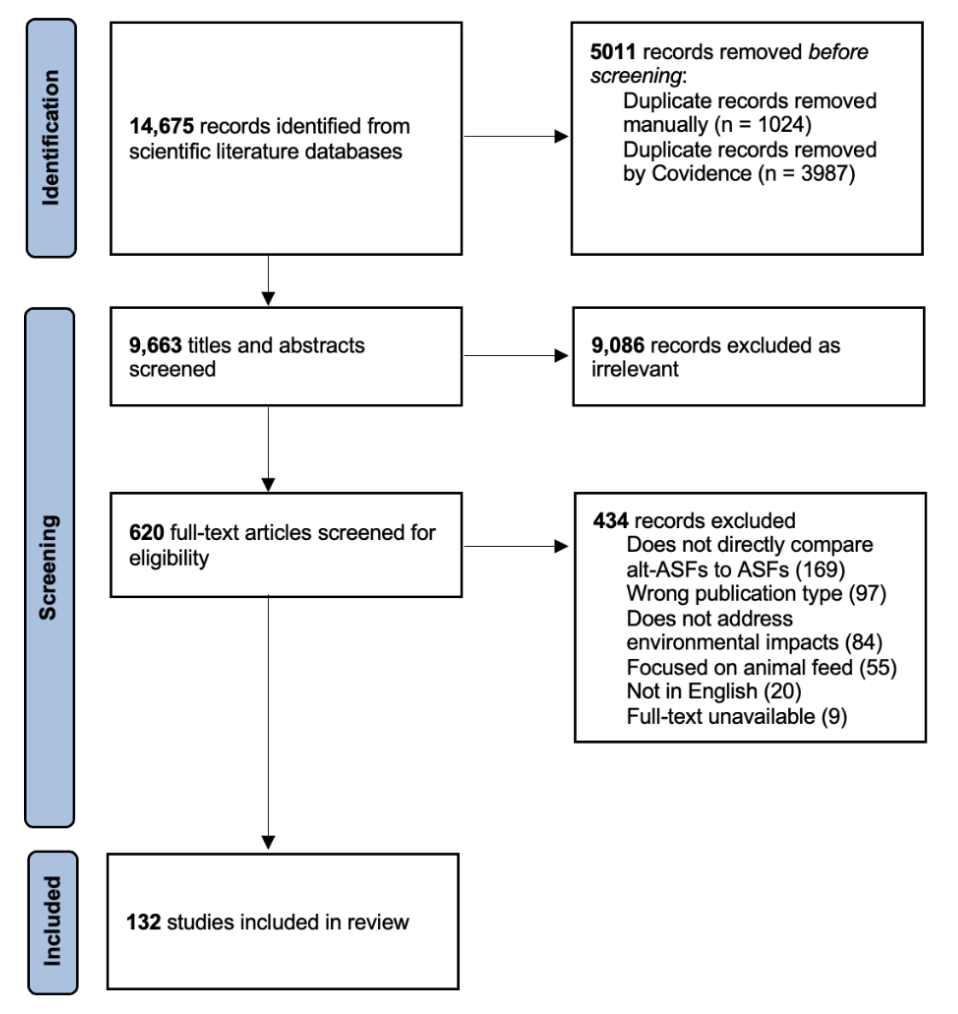
Alternative animal-source foods (Alt-ASFs)—including plant-, fungi-, algae-, insect-, cell-based and hybrid products—are increasingly proposed as lower-impact substitutes for conventional livestock and aquatic products, yet the evidence base is heterogeneous and difficult to compare. We conducted a registered scoping review to systematically map and synthesize environmental assessments that make direct, product-level comparisons between Alt-ASFs and conventional ASFs. We identified 14,675 records; 132 studies on foods for human consumption met inclusion criteria. Most studies used Life Cycle Assessment (LCA) with disparate system boundaries, functional units, and allocation rules; fewer used resource-efficiency metrics, geospatial models, or field measurements. Evidence is concentrated in high-income settings; data from low- and lower-middle-income countries are nearly absent.
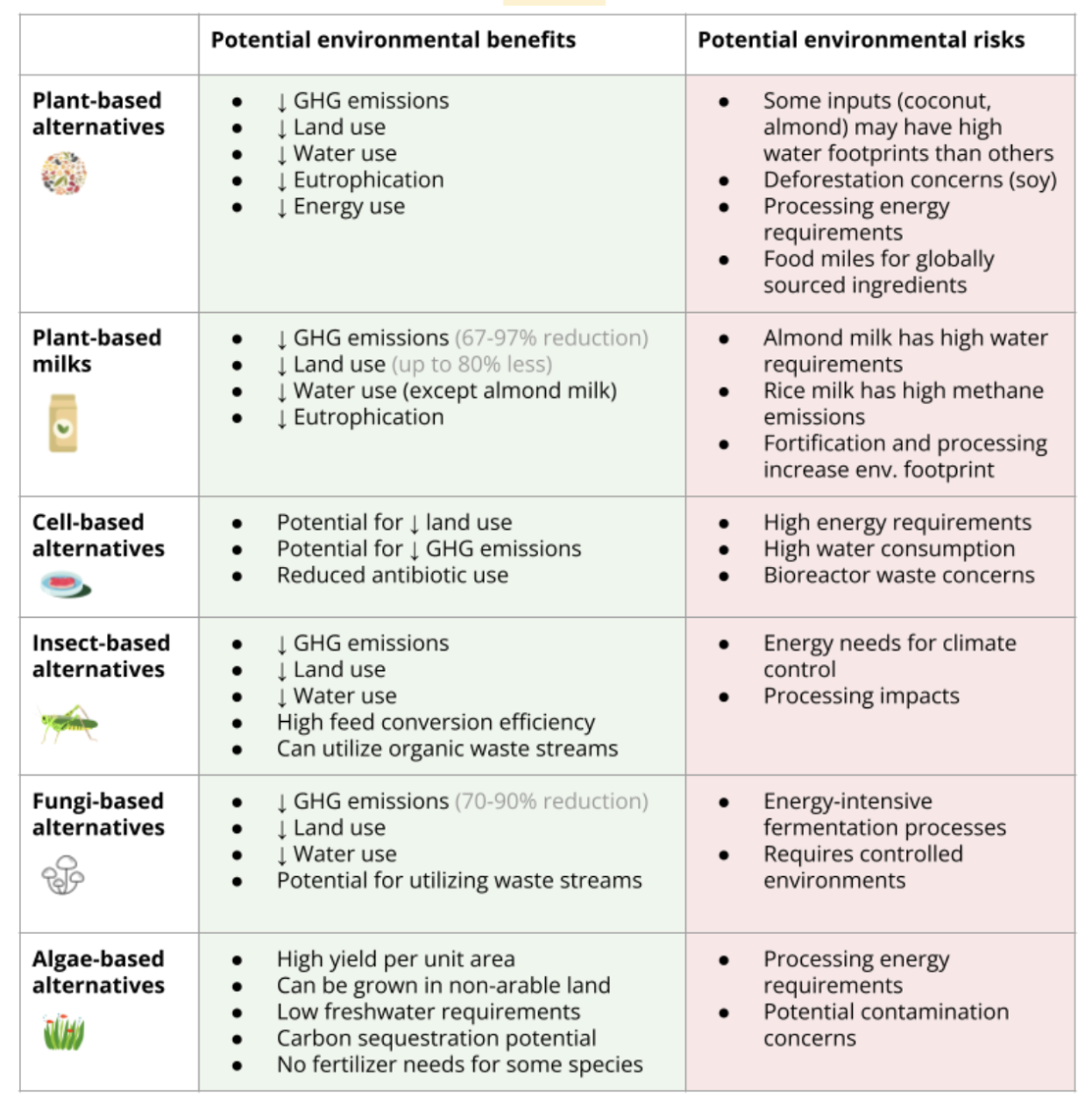
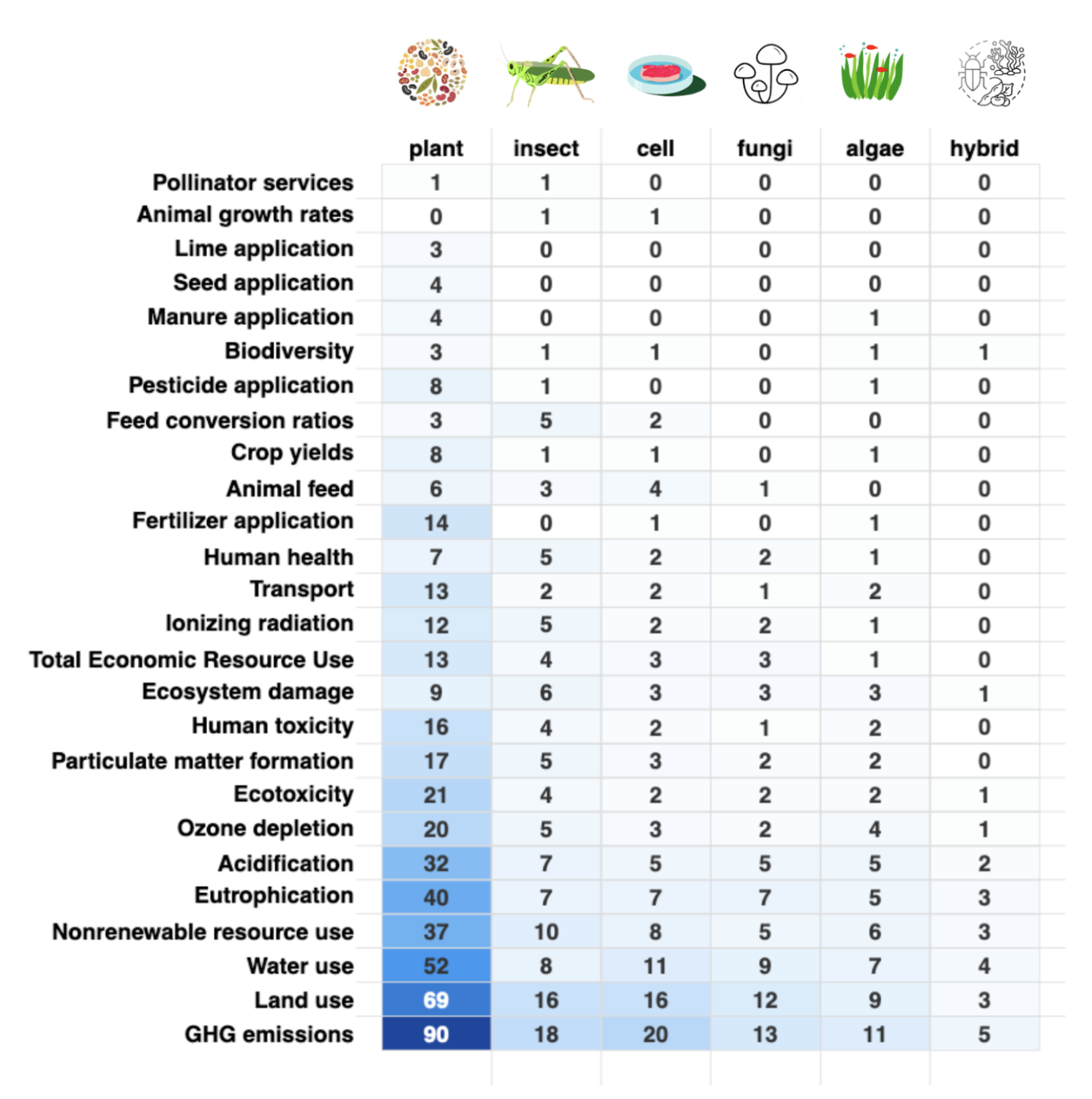
Across indicators, Alt-ASFs generally exhibit lower greenhouse gas emissions, land occupation, and (to a lesser extent) water use than conventional ASFs, with the most consistent advantages for plant- and fungi-based products. Results for insect-, algae-, and cell-based products are promising but sensitive to processing intensity, energy mix, feedstock assumptions, and scale. Biodiversity, circularity, toxicity, and endpoint indicators remain sparsely measured.
For the agricultural statistics community, this review highlights four urgent priorities for improving environmental measurement. First, harmonize life cycle assessment (LCA) standards—particularly system boundaries, functional units, and co-product allocation—to ensure data comparability. Second, define a concise core set of indicators covering greenhouse gas emissions, land and water use (with stress weighting), nutrient losses, selected toxicity midpoints, and biodiversity proxies. Third, develop protocols that link product-level LCAs to national agricultural surveys, energy accounts, and land-use statistics to move beyond isolated studies. Finally, expand primary data collection in low- and middle-income countries, especially on process energy, ingredient sourcing, and by-product use, to reduce dependence on modeled data. Advancing these measurement foundations is essential: without consistent, globally representative statistics, governments and institutions cannot accurately track or steer the environmental consequences of rapidly evolving food systems transitions.
Figures/Tables
Screen Shot 2025-10-15 at 5.53.59 PM
Screen Shot 2025-10-15 at 5.53.16 PM
Screen Shot 2025-10-15 at 5.53.40 PM