Towards a Comprehensive Household Production Account for Zambia Integrating National Accounts, Household Budget and Time Use Statistics
Conference
66th ISI World Statistics Congress
Format: WSC 2027: IPS Abstract
Keywords: "informal, "labour, #inclusivedata, household budget survey;, household-production, national accounts, sna2025, timeuse, unpaid-domestic-and-care
Abstract
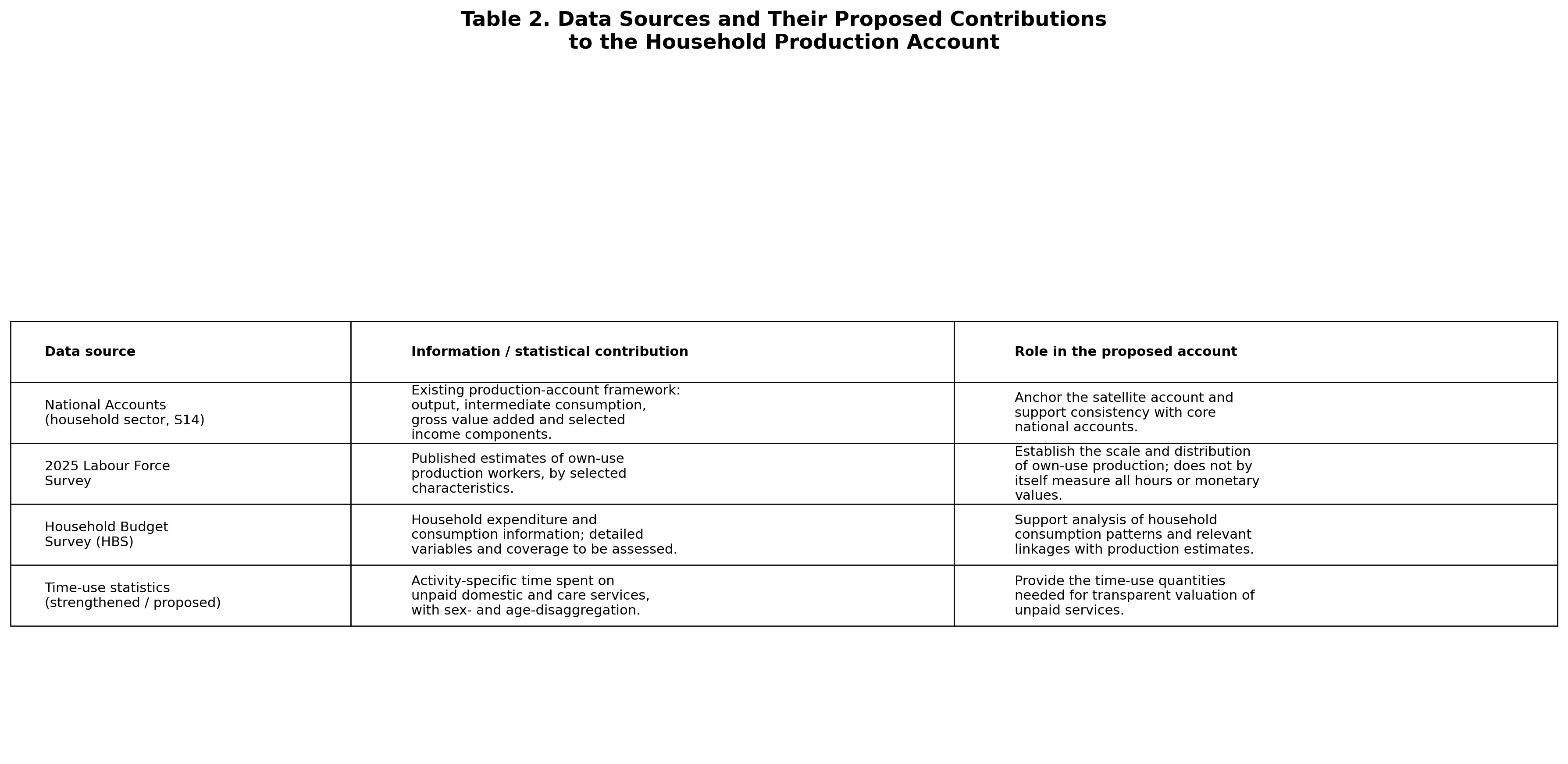
Unpaid household activities, including meal preparation, cleaning, laundry, collecting water and firewood, caring for children and dependent adults, and producing goods for household consumption, contribute significantly to household welfare and the wider economy. However, these activities are not equally visible in conventional economic statistics, particularly within the System of National Accounts (SNA). Zambia has an established national accounts framework that compiles production accounts for the household institutional sector (S14), classified by ISIC Rev. 4 and distinguishing market production, own-account production and other non-market components, alongside intermediate consumption, gross value added and selected income components. Nevertheless, the existing framework does not constitute a comprehensive household production satellite account, as most unpaid domestic and personal services produced and consumed within households are not separately valued in the core national accounts.
The 2025 Labour Force Survey (LFS) provides an important empirical foundation for examining this measurement gap. Its published results estimate that approximately 5.31 million people were engaged in own-use production work in 2025, comprising 3,041,434 own-use service providers and 2,272,187 goods producers. Women accounted for 2,427,267 of the service providers, compared with 614,166 men, while 3,538,030 own-use workers lived in rural areas. These statistics demonstrate the scale and gendered distribution of own-use production, although they do not independently capture the time spent on, or the monetary value of, all unpaid domestic and care services.
Drawing on Zambia's household-sector production accounts and the 2025 LFS results, this paper examines the existing statistical foundation and proposes a phased framework for integrating national accounts, household budget data and improved time-use statistics to develop a comprehensive household production satellite account. It identifies opportunities to strengthen the measurement of household production through improved activity-specific time measurement, sex- and age-disaggregated analysis, and transparent monetary valuation. Furthermore, Zambia's ongoing national accounts rebasing and intended transition towards the 2025 System of National Accounts (2025 SNA) provide an opportunity to review classifications, data sources and supplementary accounting approaches. The paper emphasises the importance of maintaining conceptual consistency with the SNA while ensuring that unpaid domestic and personal services are transparently measured through appropriate supplementary analysis rather than assumed to be automatically included in core GDP. It concludes by proposing a quality-assured statistical programme for developing a household production satellite account, with explicit safeguards against double counting and a view to strengthening the visibility of unpaid work in national economic statistics and gender-responsive policymaking.
Figures/Tables
Figure1_Conceptual_Integration_Framework
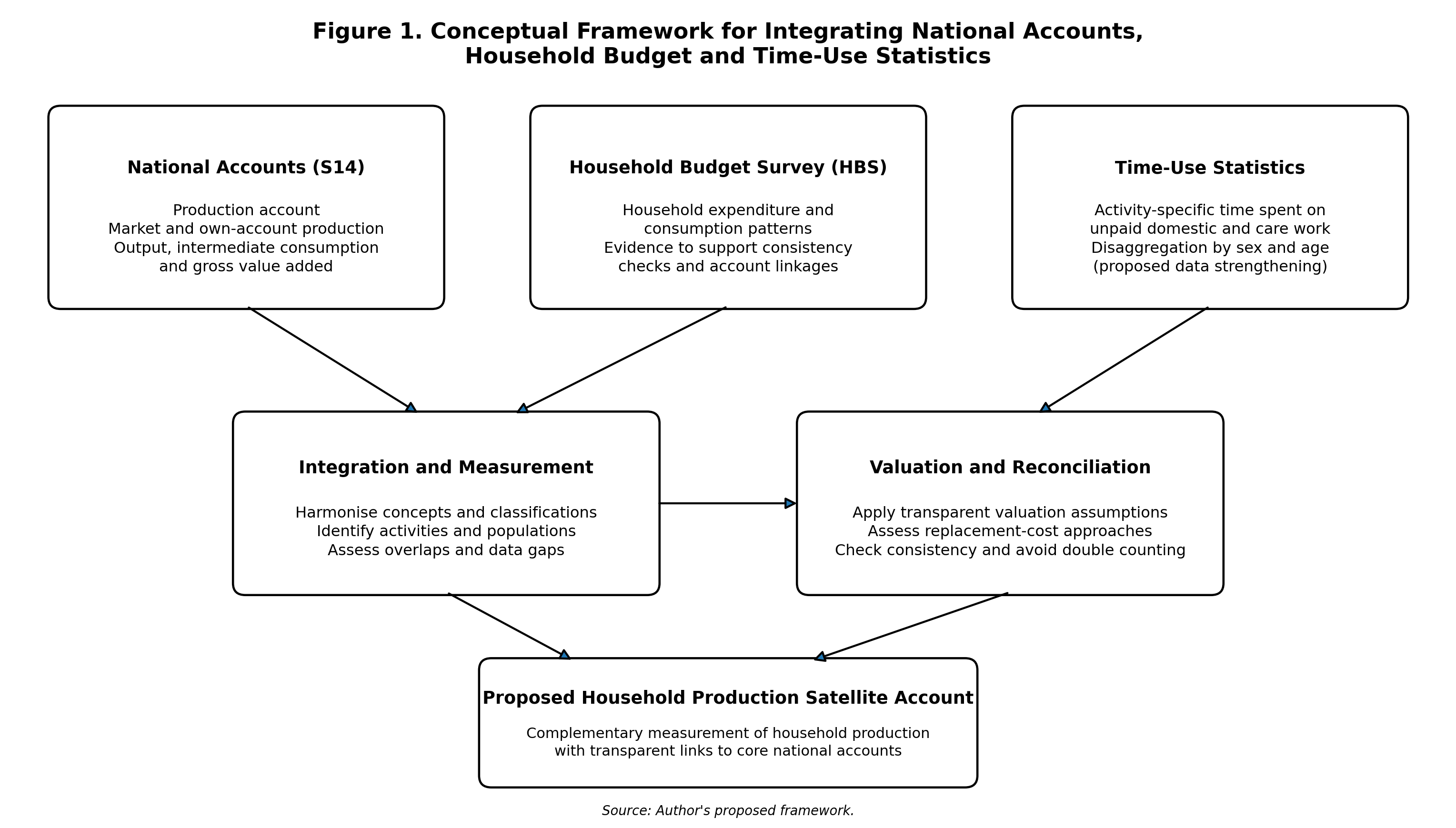
Table1_Own_Use_Production_Statistics_Zambia_2025
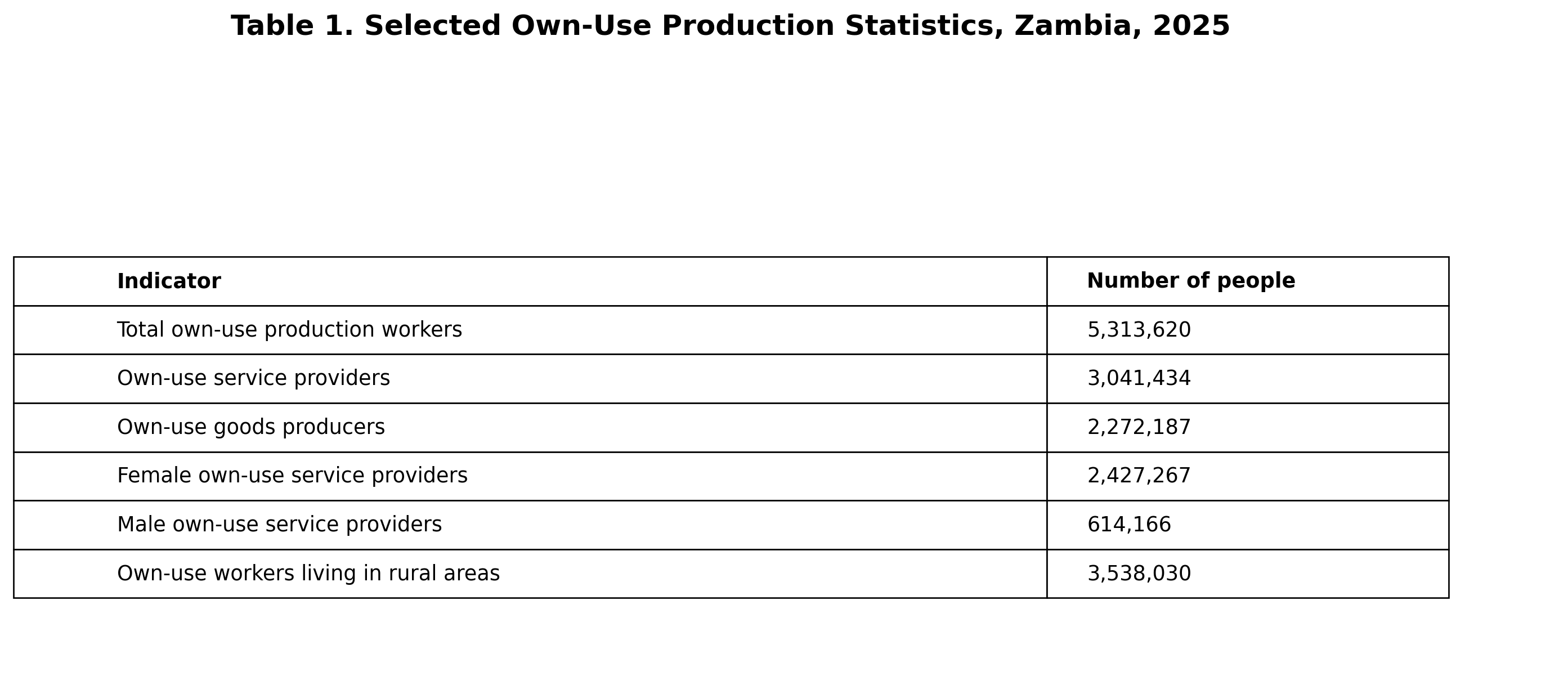
Table2_Data_Sources_Contributions_Household_Production_Account (1)